
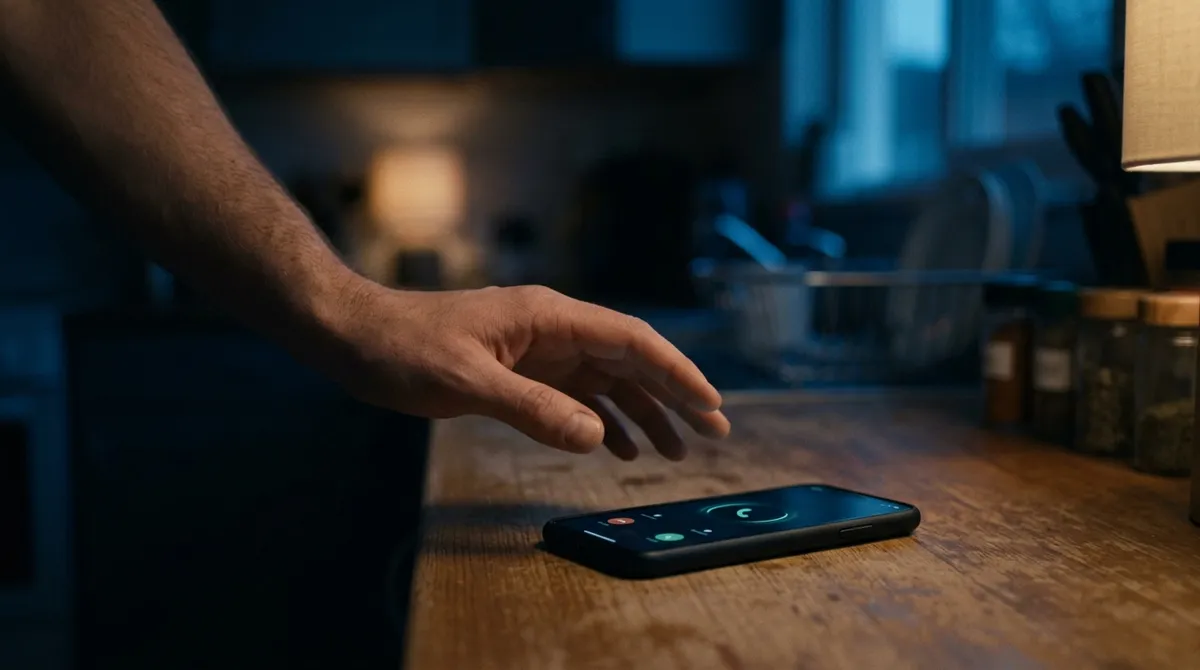
How the unknown call got poisoned
For most of phone history, a ringing number from someone you didn't recognize was a coin flip — maybe a customer, maybe a wrong number, rarely a threat. Then the economics of junk calling changed. Dialing became nearly free, numbers became disposable, and bad actors learned to wear someone else's caller ID like a mask. A single operation could place millions of calls a day, each one borrowing a local-looking number to slip past suspicion.
People adapted the only way they could: they stopped picking up. Not selectively — categorically. If they didn't recognize the number, they let it ring. The rational response to a channel full of fakes is to treat every unfamiliar entry as a fake until proven otherwise. That is the behavior a legitimate business is now calling into.
It is worth being precise about what this post is and is not about. None of this is an argument for blending in or disguising who you are. The tactics that poisoned the channel — borrowed numbers, hidden identity, pretending to be someone you are not — are exactly the thing a real business has to do the opposite of. The way out is not a better disguise. It is being unmistakably, verifiably yourself.
